Discover everything about stone coated roof tiles including history, manufacturing process, installation guide, cost, lifespan, comparisons, and FAQs.
Introduction
Roofing technology has evolved significantly over the last century. From traditional clay tiles and wooden shingles to modern metal roofing systems, builders and architects have continuously sought materials that combine durability, aesthetic appeal, and long-term performance.
Among the most advanced roofing innovations today are stone coated roof tiles. These roofing systems combine the structural strength of steel with the visual charm of traditional roofing materials, making them one of the most popular choices for modern residential, commercial, and resort-style architecture.
Stone coated roof tiles have gained popularity worldwide because they offer a unique balance between durability and design flexibility. They can replicate the appearance of traditional roofing materials such as clay tiles, slate, or shingles while providing the strength and longevity of metal roofing.
In India, especially in regions like Maharashtra, Karnataka, Kerala, and hill station areas, these tiles are increasingly being used for villas, farmhouses, resorts, and luxury homes.
This comprehensive guide explores everything you need to know about stone coated roof tiles, including their history, manufacturing process, installation methods, cost considerations, lifespan, comparisons with other roofing materials, and frequently asked questions.
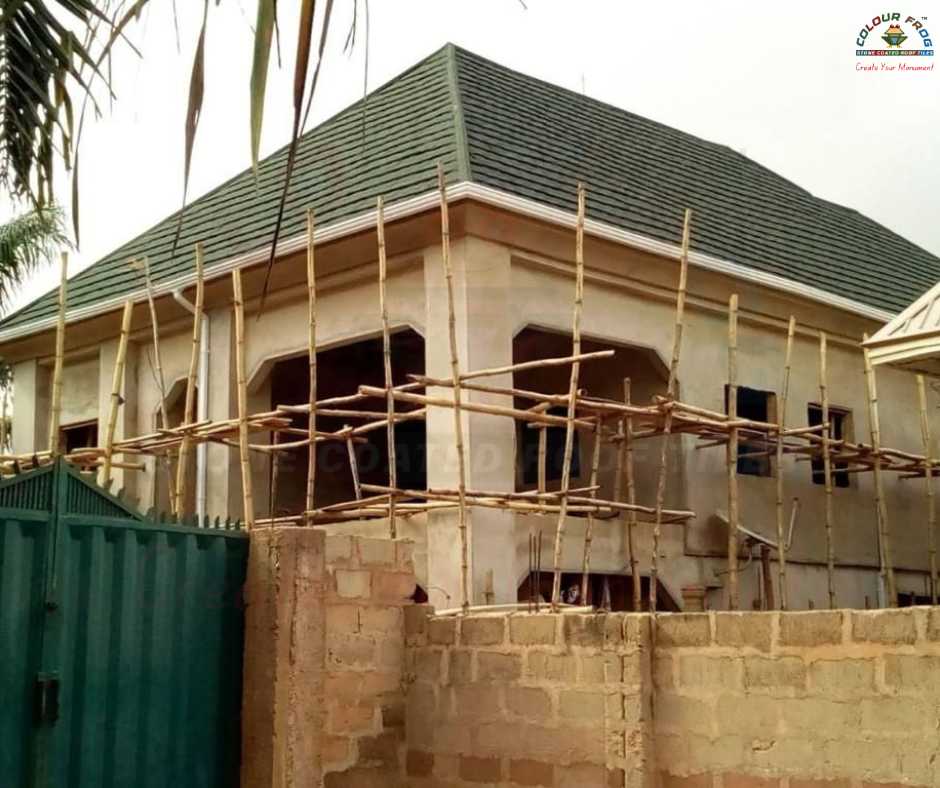
History of Stone Coated Roof Tiles
The development of stone coated roof tiles can be traced back to the mid-20th century when roofing manufacturers began experimenting with metal-based roofing systems that could mimic the appearance of traditional tiles.
After World War II, there was a growing demand for durable building materials that could withstand extreme weather conditions while remaining lightweight and easy to install.
Traditional clay tiles and concrete tiles were heavy and prone to breakage, while metal sheets lacked aesthetic appeal. Engineers sought to combine the advantages of both materials.
This led to the development of stone coated metal roofing technology.
The concept involved coating steel roofing sheets with natural stone granules. These granules provided texture and color while also protecting the steel surface from environmental damage.
Initially developed in countries like New Zealand and the United States, stone coated roofing systems quickly gained popularity across Europe, Asia, and Africa.
Over the decades, improvements in coating technologies, corrosion protection, and manufacturing precision have made stone coated roof tiles one of the most advanced roofing solutions available today.
Today, these roofing systems are used in millions of buildings worldwide, from residential homes to large commercial projects.
What Are Stone Coated Roof Tiles?
Stone coated roof tiles are roofing materials made from galvanized or aluminium-zinc coated steel sheets that are covered with a layer of natural stone granules.
These granules are bonded to the metal surface using specialized adhesives and protective coatings.
The result is a roofing tile that combines:
- The strength of metal
- The appearance of traditional tiles
- Enhanced weather resistance
Stone coated roof tiles are designed to interlock with each other during installation, creating a strong and durable roofing system that can withstand harsh environmental conditions.
These tiles are available in various profiles that mimic traditional roofing materials such as:
- Clay tiles
- Slate tiles
- Shingles
- Shake roofs
This design flexibility allows architects and homeowners to achieve traditional or modern roof aesthetics without compromising durability.
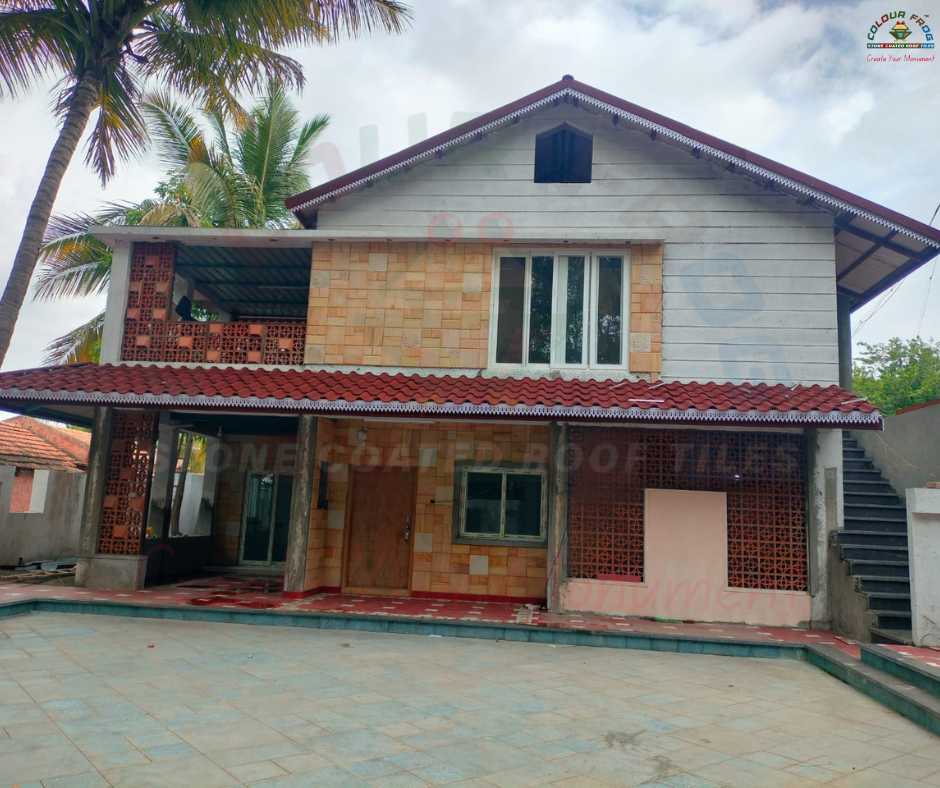
Manufacturing Process of Stone Coated Roof Tiles
The manufacturing of stone coated roof tiles involves multiple carefully controlled steps that ensure durability and performance.
1. Steel Base Preparation
The process begins with high-quality steel sheets that are coated with corrosion-resistant materials such as aluminium-zinc alloy.
This protective coating prevents rust and significantly increases the lifespan of the roofing system.
2. Tile Profiling
The coated steel sheets are then passed through roll-forming machines that shape them into specific tile profiles.
Different profiles are used to replicate the appearance of various traditional roofing styles.
3. Base Coating
A base coating layer is applied to the steel surface to improve adhesion between the metal and the stone granules.
This layer also enhances corrosion resistance.
4. Stone Granule Application
Natural stone granules are applied to the tile surface.
These granules provide color, texture, and additional protection against environmental factors such as UV radiation.
5. Protective Finish
A final protective coating is applied to lock the granules in place and improve durability.
This layer also enhances color stability and prevents fading.
6. Quality Testing
Before packaging, the tiles undergo rigorous quality tests to ensure strength, adhesion, and weather resistance.
These steps ensure that the final product meets international roofing standards.
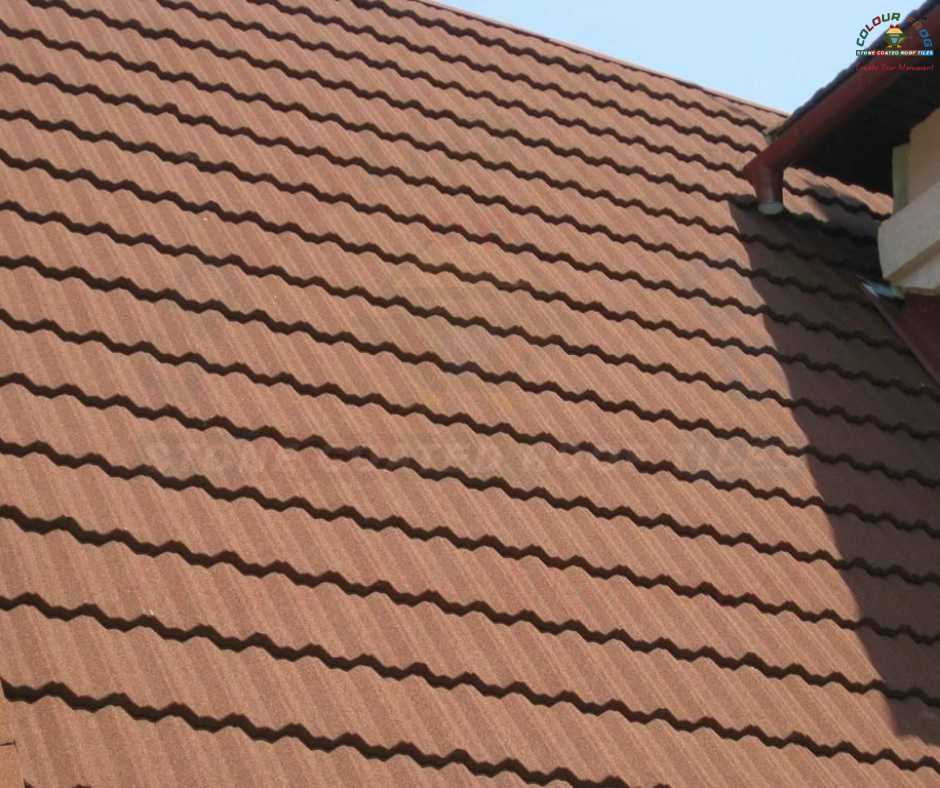
Key Features of Stone Coated Roof Tiles
Stone coated roofing systems offer several features that make them superior to many traditional roofing materials.
High Durability
The steel core provides structural strength and resistance to cracking or breaking.
Weather Resistance
Stone coated tiles can withstand heavy rain, strong winds, and extreme temperature changes.
Lightweight Construction
Compared to concrete or clay tiles, these tiles are significantly lighter, reducing structural load.
Long Lifespan
With proper installation, stone coated roofs can last several decades.
Aesthetic Variety
These tiles are available in multiple profiles and colors to match various architectural styles.
Installation of Stone Coated Roof Tiles
Proper installation is crucial for ensuring the long-term performance of stone coated roofing systems.
Roof Structure Preparation
The roof structure must be designed to support the roofing system and provide proper slope for water drainage.
Battens Installation
Metal or wooden battens are installed across the roof structure.
These battens serve as the base for attaching the roofing tiles.
Tile Placement
The tiles are installed starting from the bottom edge of the roof and progressing upward.
Each tile overlaps the previous one, creating a waterproof barrier.
Fastening
Special roofing nails or screws are used to secure the tiles to the battens.
The interlocking design ensures strong wind resistance.
Ridge and Accessories
Ridge caps and flashing components are installed to complete the roofing system and ensure proper sealing.
Professional installation is recommended to achieve optimal results.
Cost of Stone Coated Roof Tiles
The cost of stone coated roof tiles depends on several factors, including:
- Tile profile
- Coating quality
- Roof design complexity
- Installation labor
Although stone coated roofing systems may have a higher initial cost compared to some traditional roofing materials, they offer excellent long-term value due to their durability and low maintenance requirements.
When evaluating roofing cost, it is important to consider the total lifecycle cost rather than just the initial installation expense.
Lifespan of Stone Coated Roof Tiles
One of the most significant advantages of stone coated roofing systems is their long lifespan.
High-quality stone coated roofs can last between 40 to 70 years, depending on environmental conditions and maintenance.
Several factors contribute to this longevity:
- Corrosion-resistant metal base
- Durable stone granule coating
- Strong interlocking design
- Resistance to weather damage
Because of these characteristics, stone coated roof tiles are often considered a long-term roofing investment.
Comparison with Other Roofing Materials
Stone Coated Roof Tiles vs Clay Tiles
Clay tiles offer traditional aesthetics but are fragile and heavy. Stone coated tiles provide similar appearance with greater strength and durability.
Stone Coated Roof Tiles vs Metal Sheets
Metal sheets are lightweight and durable but lack aesthetic appeal. Stone coated tiles combine metal strength with decorative appearance.
Stone Coated Roof Tiles vs Concrete Tiles
Concrete tiles are durable but extremely heavy. Stone coated tiles provide comparable durability with significantly lower weight.
Stone Coated Roof Tiles vs Asphalt Shingles
Asphalt shingles are common in Western countries but may not perform well in extreme climates. Stone coated tiles offer better durability and lifespan.
Applications of Stone Coated Roof Tiles
Stone coated roofing systems are widely used in various building types.
Residential Homes
Many homeowners choose stone coated tiles for their durability and visual appeal.
Farmhouses and Villas
These tiles are ideal for sloped roof designs commonly used in farmhouses and luxury villas.
Resorts and Hotels
Hospitality projects often use stone coated roofing systems to create attractive architectural designs.
Hill Station Homes
These roofs perform well in regions with heavy rainfall and cold climates.
Maintenance of Stone Coated Roof Tiles
One of the major advantages of stone coated roofing systems is their low maintenance requirement.
Basic maintenance practices include:
- Periodic inspection of tiles
- Cleaning debris from roof surfaces
- Checking flashing and ridge components
Unlike clay tiles, stone coated tiles rarely require frequent replacement.
Environmental Benefits
Stone coated roofing systems are considered environmentally friendly for several reasons.
Steel is recyclable, reducing waste and promoting sustainable construction practices.
The long lifespan of these roofs also reduces the need for frequent replacements, conserving natural resources.
Additionally, their thermal performance can contribute to improved energy efficiency in buildings.
FAQs About Stone Coated Roof Tiles
What are stone coated roof tiles made of?
Stone coated roof tiles are made from steel sheets coated with natural stone granules and protective layers.
How long do stone coated roofs last?
They typically last between 40 and 70 years depending on installation quality and environmental conditions.
Are stone coated roof tiles suitable for heavy rainfall?
Yes. Their interlocking design provides excellent water drainage and weather resistance.
Are stone coated tiles lightweight?
Yes. They are significantly lighter than clay or concrete tiles.
Do stone coated roofs require maintenance?
They require minimal maintenance compared to traditional roofing systems.
Conclusion
Stone coated roof tiles represent one of the most advanced roofing solutions available in modern construction.
By combining the strength of metal with the beauty of traditional roofing materials, these systems provide durability, weather resistance, and architectural flexibility.
With their long lifespan, low maintenance requirements, and aesthetic versatility, stone coated roofing systems have become a preferred choice for homeowners, architects, and builders worldwide.
Whether used for villas, farmhouses, resorts, or modern homes, stone coated roof tiles offer a reliable and visually appealing roofing solution that can last for decades.